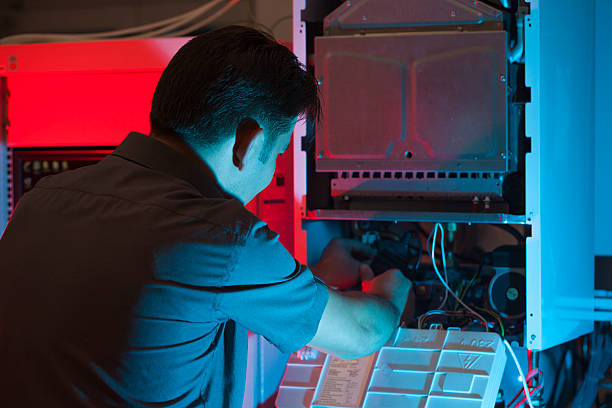
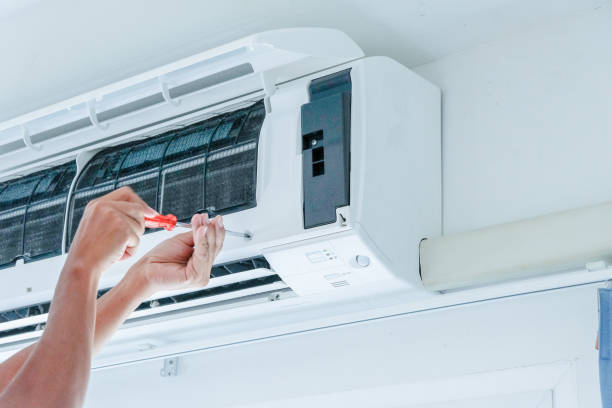
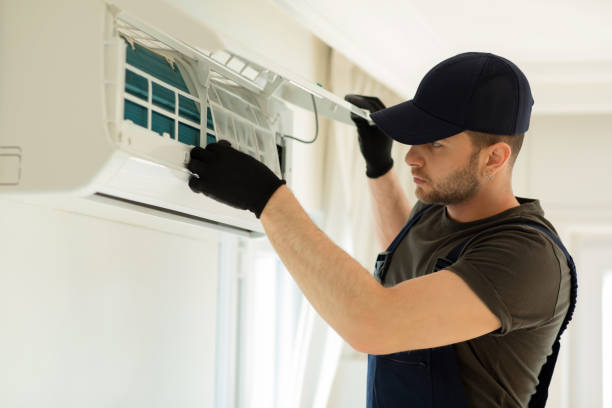
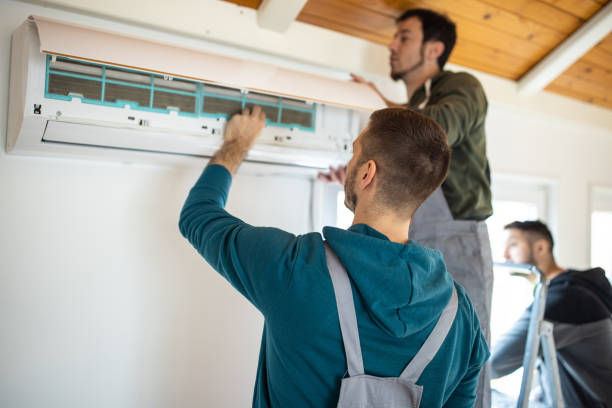
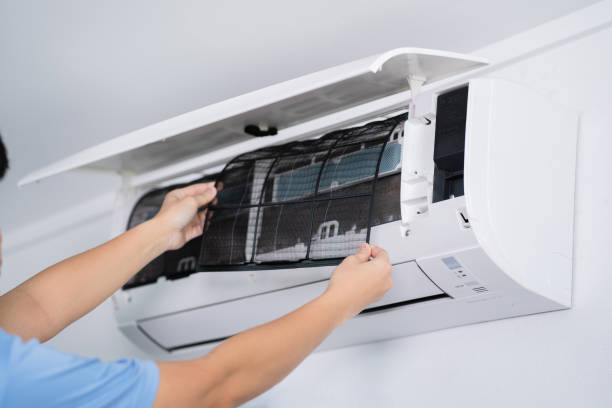
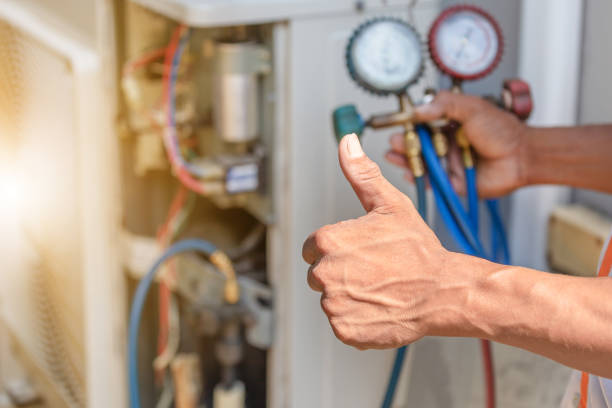
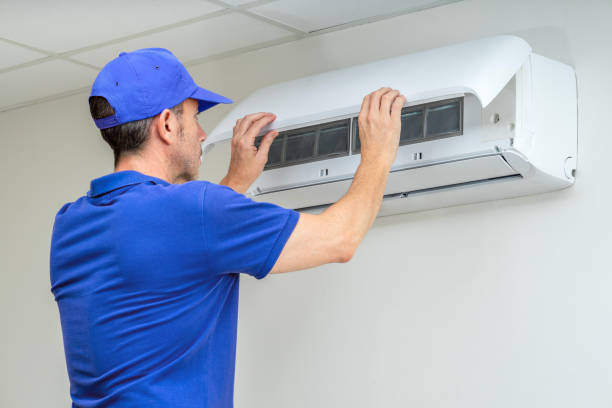
Proper installation of an HVAC system is a critical factor that significantly influences its efficiency, lifespan, and overall functionality. Whether you’re replacing an old unit or installing a brand-new system, ensuring it is done correctly can save time, money, and energy in the long run. Below, we’ll explore why proper installation matters and how it impacts your HVAC system’s performance.
The Impact of Poor Installation
- Reduced Efficiency: An improperly installed system may have to work harder to maintain indoor comfort, leading to higher energy consumption.
- Uneven Temperature Distribution: Incorrectly sized ductwork or misaligned components can result in inconsistent temperatures across different areas of your home.
- Frequent Repairs: Improper setup often causes undue wear and tear on components like compressors and fans, leading to breakdowns.
- Shortened Lifespan: A poorly installed unit may experience premature failures due to excessive strain on internal parts.
Benefits of Proper HVAC Installation
- A properly fitted system operates at peak efficiency, reducing your monthly energy bills while maintaining consistent air quality.
- Modern systems often come with high SEER (Seasonal Energy Efficiency Ratio) ratings; however, those benefits are only realized if the unit is installed according to manufacturer guidelines.
- Proper ductwork design ensures balanced airflow throughout your home. This minimizes hot or cold spots in different rooms and promotes uniform comfort.
- Correct installation reduces strain on critical components like coils, blowers, and compressors—extending their operational life span.
- Certified professionals follow building codes and safety standards during installation, reducing risks such as carbon monoxide leaks or electrical hazards.
Key Components Requiring Attention During Installation
| Component | Why It Matters | Potential Issues if Neglected |
| Ductwork Design | Ensures proper airflow | Leaks or incorrect sizing disrupt efficiency |
| Refrigerant Levels | Essential for cooling | Overcharging or undercharging lowers performance |
| Thermostat Placement | Regulates temperature accurately | Incorrect placement causes uneven heating/cooling |
| Insulation | Reduces heat loss/gain | Lack of insulation leads to inefficiencies |
Tips for Ensuring a Professional Installation
- Hire licensed technicians with experience in installing your specific type of system.
- Request a load calculation using tools like Manual J to determine the correct size unit for your space.
- Ensure all duct connections are sealed properly using mastic or metal-backed tape.
- Verify that refrigerant lines are insulated appropriately to prevent energy loss.
- Confirm compliance with local building codes and manufacturer specifications.
Proper installation is not just about connecting components; it involves precise calculations and attention to detail that directly impact the overall performance of your HVAC system. By prioritizing professional service and addressing key details during setup, you ensure long-term comfort and cost-effectiveness for years ahead.
Important Safety Tips for AC Repair Woodbridge VA and HVAC Installation
Proper installation of an HVAC (Heating, Ventilation, and Air Conditioning) system is critical not only for optimal performance but also for ensuring safety. Without proper attention to key safety measures, the installation process can lead to hazards such as electrical issues, carbon monoxide leaks, or system inefficiencies. Is is always best to hire a professional HVAC company like https://www.airecomservices.com/ to handle that type of work for you. Below are vital safety considerations to keep in mind during HVAC system installation.
1. Electrical Safety Precautions
- Turn Off Power: Always disconnect power at the breaker box before beginning any work with electrical components.
- Use Proper Wiring: Verify that all wiring adheres to local building codes and that wire gauges are appropriate for the system’s electrical load.
- Grounding Matters: Confirm that the HVAC unit is properly grounded to prevent short circuits and reduce shock risks.
- Inspect Existing Wiring: If replacing an old unit, check for frayed or damaged wires before reconnecting new equipment.
2. Carbon Monoxide Awareness
- Install Detectors: Place carbon monoxide detectors near your HVAC unit and in other key areas of your home.
- Check Ventilation: Ensure proper ventilation is established during installation to allow exhaust gases to escape safely.
- Seal Connections: Inspect and seal all ductwork connections to prevent leakage of harmful gases into living spaces.
- Verify Combustion Airflow: Confirm there’s adequate airflow around combustion appliances to avoid incomplete burning of fuel.
3. Proper Handling of Refrigerants
| Best Practice | Description |
| Use Certified Technicians | Only certified professionals should handle refrigerants as required by EPA regulations. |
| Prevent Leaks | Inspect refrigerant lines carefully for leaks during installation and repair them immediately if identified. |
| Store Refrigerants Safely | Keep them in appropriately marked containers away from heat sources or direct sunlight. |
4. Ensure Structural Integrity
- Secure Placement: Make sure outdoor units are on stable platforms that won’t shift over time due to weather conditions or vibrations.
- Inspect Duct Support: For ductwork installations, ensure all connections are securely fastened with brackets or straps where needed.
- Check Clearance Requirements: Follow manufacturer guidelines for clearances around indoor and outdoor units.
5. Training and Professional Assistance
- Hire licensed professionals who have experience installing systems according to local codes and standards.
- Require documentation such as a warranty card post-installation for accountability on equipment performance.
By prioritizing these safety considerations during HVAC installation, you ensure both your family’s well-being and the efficient operation of your heating and cooling systems over their lifespan.
Essential Safety Tips for Furnace Repair Woodbridge VA Residents Should Know
Properly installing an HVAC system is not just about ensuring efficiency and comfort—it’s also crucial to prioritize safety throughout the process. HVAC installation involves electrical components, refrigerants, and structural modifications that can pose risks if mishandled. Below are the key safety considerations you should follow to ensure a safe installation process.
1. Handling Electrical Components with Care
- Turn Off Power: Always disconnect the power supply before working on any electrical parts of the system.
- Use Proper Tools: Utilize insulated tools to avoid electric shock.
- Check Voltage Ratings: Ensure all connections align with the unit’s voltage requirements as specified in the manufacturer’s manual.
- Hire a Licensed Electrician: For complex electrical work, consult a licensed electrician familiar with HVAC installations.
2. Managing Refrigerants Safely
Refrigerants are essential for cooling systems but can be hazardous if improperly handled. Some refrigerants are toxic or contribute to environmental concerns like ozone depletion or greenhouse gas emissions.
- Wear Protective Gear: Use gloves and goggles when handling refrigerants to prevent skin and eye irritation.
- Avoid Breathing Fumes: Work in well-ventilated areas when charging or recovering refrigerant.
- Prevent Leaks: Use leak detectors during installation and repair any identified leaks immediately.
- Dispose Responsibly: Follow EPA guidelines for disposing of old refrigerant safely.
| Common Refrigerants | Environmental Impact | Safety Recommendations |
| R-22 (Freon) | Ozone-depleting substance | Phase out use; handle carefully |
| R-410A | Lower environmental impact | Use leak detectors frequently |
| R-32 | Flammable | Keep away from open flames |
3. Ensuring Structural Stability
Installing an HVAC system often requires drilling, cutting, or modifying existing structures. Improper structural work can result in damage or accidents.
- Inspect Load-Bearing Areas: Ensure ducts, vents, and units do not compromise walls, ceilings, or floors.
- Secure Heavy Equipment: Mount outdoor units on stable platforms that can withstand vibrations and weight distribution over time.
- Prevent Air Leaks: Seal any gaps around ductwork and vents using appropriate materials such as mastic or foil tape.
4. Avoiding Carbon Monoxide Risks
When dealing with furnaces or other fuel-burning appliances during HVAC installation, carbon monoxide (CO) hazards must be taken seriously.
- Install CO Detectors: Place detectors near bedrooms and living areas for early detection of gas leaks.
- Inspect Ventilation Systems: Ensure flue pipes are properly connected and vent exhaust gases outside safely.
- Conduct Regular Maintenance Checks: Periodic inspections ensure burners operate efficiently without emitting harmful byproducts.
5. Following Manufacturer Guidelines
- Review all safety warnings included by the manufacturer.
- Use recommended parts and accessories only.
Final Tips for Safe Installation
- Keep children and pets away from worksites until all tasks are complete.
- Invest in proper training if you’re attempting DIY installation—otherwise, hire certified professionals who adhere strictly to safety codes (e.g., OSHA standards).
- Double-check all connections before powering on the system for testing purposes.
By incorporating these practices into your HVAC installation process, you reduce potential hazards while optimizing the performance of your heating and cooling systems effectively over time.
Understanding HVAC Installation Woodbridge VA: Costs and What to Expect
When considering installing a central air conditioning (AC) system, understanding the associated costs is crucial for planning and budgeting. The expenses involved in central air installation can vary widely depending on several factors, such as your home’s size, the type of unit selected, the complexity of the installation, and labor rates in your area. Below is a detailed breakdown to help you navigate these costs effectively.
Major Components That Influence Installation Costs
- The cost of the central AC unit itself is a significant portion of your expenses. Units with higher energy efficiency ratings (SEER ratings) tend to cost more upfront but offer long-term savings on energy bills.
- Average price range: $2,000 – $7,000.
- If your home already has ductwork in place, the total cost will be lower. However, if ductwork needs to be installed or repaired, this can add substantially to your overall expense.
- Ductwork costs: $1,500 – $5,000.
- Labor charges vary depending on regional rates and job complexity. Licensed professionals performing intricate installations may charge between $75 and $150 per hour.
- Total labor expenses: $1,000 – $3,000.
- Upgrading to a programmable or smart thermostat might increase the initial investment but offers better control over indoor temperatures and energy efficiency.
- Cost range: $150 – $500.
- Depending on local regulations, you may need permits for HVAC installation. These typically add another $100 – $300 to your total costs.
Sample Cost Breakdown Table
| Component | Estimated Cost Range |
| Central AC Unit | $2,000 – $7,000 |
| Ductwork Installation/Repair | $1,500 – $5,000 |
| Labor | $1,000 – $3,000 |
| Thermostat | $150 – $500 |
| Permits | $100 – $300 |
Factors That May Affect Your Specific Costs
- Home Size: Larger homes require more powerful units with higher cooling capacities (measured in BTUs), which are typically more expensive.
- Energy Efficiency: While high-SEER models cost more upfront (e.g., SEER 16 vs SEER 20), they reduce monthly utility bills over time.
- Additional Features: Features like variable-speed compressors or multi-zone cooling systems can further elevate costs but enhance comfort levels significantly.
- Geographic Location: Prices for units and labor may differ based on where you live due to climate demands or local market trends.
Tips for Managing Central Air Installation Costs
- Request multiple quotes from reputable HVAC contractors to compare rates and services offered.
- Look into rebates or tax incentives available for installing energy-efficient systems.
- Opt for financing options if paying upfront isn’t feasible; many HVAC companies provide flexible payment plans.
Installing central air can be a substantial investment; however, it enhances comfort while potentially increasing property value. By understanding costs in detail and carefully evaluating options tailored to your home’s needs and budgetary constraints, you’ll ensure an efficient installation process that delivers lasting benefits.
Understanding Emergency HVAC Service Woodbridge VA and What to Expect
When planning to install a central air conditioning system in your home, understanding the costs involved is essential for making informed decisions. Central air systems provide comfort and efficiency, but their installation is a significant investment. Below is a detailed guide on the factors affecting installation costs and what you can expect.
Factors That Influence Central Air Installation Costs
- The size of your HVAC system is directly proportional to its cost. Larger systems with higher BTU (British Thermal Unit) ratings will be more expensive due to their capacity to cool larger spaces.
- A professional HVAC technician will perform a load calculation based on your home’s square footage, insulation, windows, and climate zone to determine the appropriate size for your unit.
- If ductwork already exists in your home, it may reduce installation costs. However, homes without existing ducts may require new ductwork installation, which can significantly increase expenses.
- Repairs or modifications to old ducts might also add costs if they are damaged or inefficient.
- Systems with higher SEER (Seasonal Energy Efficiency Ratio) ratings are more efficient but typically come with a higher upfront cost.
- While an efficient system may have higher initial expenses, it lowers energy bills over time.
- Labor makes up a substantial portion of installation expenses. Factors such as project complexity and regional rates will influence labor charges.
- Upgrades like smart thermostats, zoning systems, or advanced filtration systems can increase overall costs but improve functionality and comfort.
- Premium brands often come at a higher price point due to quality materials and longer warranty periods.
Typical Cost Breakdown
| Component/Service | Estimated Cost Range |
| Central AC Unit | $2,500 – $7,500 |
| Ductwork Installation/Repair | $1,000 – $5,000 |
| Labor | $1,200 – $3,500 |
| Permits | $250 – $1,000 |
| Additional Features | Varies ($200 – $2,000+) |
Note: Prices vary depending on location and specific needs.
Ways to Reduce Costs
- Seek Multiple Quotes: Contact several licensed HVAC contractors for estimates before finalizing any decision.
- Consider Rebates or Incentives: Check for energy-efficiency programs offered by utility companies or government agencies that provide rebates on high-efficiency units.
- Opt for Off-Season Installations: Many contractors offer discounts during slower periods like fall or early spring.
- Maintain Existing Ductwork: If possible, ensure existing ducts are clean and functional rather than replacing them entirely.
Final Thoughts on Budgeting
Proper planning is crucial when budgeting for a central air system installation. By understanding what affects pricing and exploring potential savings opportunities such as rebates or energy-efficient models, homeowners can align their expectations with their financial capabilities while ensuring long-term comfort.
Determining the Best Location for Your AC Unit and Thermostat During Installation
Selecting the optimal location for your air conditioning (AC) unit and thermostat during installation is a critical step that can significantly impact energy efficiency, indoor comfort, and system longevity. This process requires careful assessment of several factors to ensure your HVAC system operates efficiently and effectively. Below are key considerations to guide you.
Factors to Consider When Placing Your AC Unit
- Shaded Areas
Positioning your outdoor AC unit in a shaded location can help reduce strain on the system. Direct sunlight increases heat absorption, requiring the unit to work harder to maintain cool temperatures indoors. Placement on the north or east side of your property is often ideal. - Adequate Airflow
Ensure there are at least 2-3 feet of clearance around all sides of the outdoor unit. Obstructions like shrubs, walls, or fences can restrict airflow, reducing efficiency. Proper spacing allows heat to dissipate more effectively. - Noise Levels
Consider placing the unit away from bedrooms or living areas where noise may be disruptive. Modern units are quieter than older models but can still produce noticeable sound during operation. - Proximity to Indoor Components
Install the outdoor condenser as close as possible to the indoor evaporator coil to minimize refrigerant line length and reduce energy loss. - Stable Surface
Place the unit on a level concrete pad or sturdy base that minimizes vibrations and prevents sinking into soft ground over time.
Best Practices for Thermostat Placement
The location of your thermostat directly affects its ability to accurately measure indoor temperatures and maintain consistent comfort levels throughout your home.
- Avoid Heat Sources
Install the thermostat away from heat-generating appliances such as ovens, lamps, or direct sunlight exposure, which could cause inaccurate temperature readings. - Central Location
Place the thermostat in a central area of your home that represents average conditions—typically a hallway or main living space—for more balanced temperature control throughout. - Height Matters
Mounting it approximately 52-60 inches above the floor ensures accurate readings by avoiding drafts near floors or rising warm air near ceilings. - Stay Clear of Vents and Windows
Avoid locations near windows, doors, or air vents where temperature fluctuations could result in false readings and inefficient operation.
Table: Quick Reference Guide for AC Unit & Thermostat Placement
| Criterion | Optimal Location Recommendation | Why It Matters |
| Shaded Areas (AC Unit) | North/East side | Reduces workload by limiting heat exposure |
| Clearance (AC Unit) | 2-3 feet from obstructions | Promotes better airflow |
| Noise Control (AC Unit) | Away from bedrooms | Minimizes operational noise indoors |
| Proximity (AC Unit) | Close to indoor evaporator coil | Increases energy efficiency |
| Height (Thermostat) | 52-60 inches above floor | Ensures accurate temperature readings |
| Away from Heat Sources | Far from ovens/windows/vents | Prevents false temperature measurements |
Why Location Matters
- Poor placement may lead to higher utility bills due to inefficient operation.
- Incorrect positioning can cause uneven cooling/heating distribution.
- A well-located system contributes positively toward extending equipment lifespan by reducing unnecessary strain on components.
By taking time upfront during installation to determine optimal locations for these HVAC components, you’ll enhance performance while enjoying greater comfort year-round without unnecessary costs caused by inefficiency or uneven climate control indoors.
Essential Factors to Check for Home Energy Efficiency Before HVAC Replacement
Before replacing your HVAC system, it’s crucial to assess your home’s energy efficiency. An energy-efficient home not only reduces utility costs but also ensures that your HVAC system operates optimally, avoiding unnecessary strain on the equipment. Below are the key factors to evaluate for maximum efficiency and performance.
1. Assess Insulation Levels
One of the primary factors affecting energy efficiency is insulation. Proper insulation helps maintain indoor temperatures by reducing heat transfer between your home’s interior and exterior.
- Check attic insulation: Ensure there is adequate insulation in the attic as heat loss often occurs here during winter.
- Inspect wall insulation: Walls should have sufficient insulating material to prevent heat exchange.
- Seal gaps: Look for small gaps or cracks around windows, doors, and electrical outlets that might cause air leaks.
| Area | Recommended R-Value* | Action Item |
| Attic | R-30 to R-60 | Add more fiberglass batts or spray foam if below recommended level. |
| Exterior Walls | R-13 to R-23 | Consider blown-in or rigid foam insulation based on construction type. |
(*R-value is a measure of thermal resistance; higher values indicate better insulation.)
2. Evaluate Air Sealing Around Openings
- Windows and doors: Use weatherstripping or caulking to seal gaps around these openings.
- Ductwork: Inspect ducts for leaks and seal them with duct mastic tape.
- Vents and fans: Ensure vents in bathrooms, kitchens, and attics are properly sealed.
3. Test Window Efficiency
Windows without proper glazing or sealing can cause energy losses through drafts and poor thermal resistance.
Upgrades for efficient windows include:
– Installing double-pane or triple-pane glass with a low-emissivity (Low-E) coating. – Adding storm windows during colder months. – Using blackout curtains or window film during summer to reduce solar heat gain.
4. Check Your Home’s Ventilation System
A well-designed ventilation system prevents indoor air from becoming stale while maintaining energy efficiency.
Best practices for improving ventilation:
1. Use energy recovery ventilators (ERVs) or heat recovery ventilators (HRVs) that recycle energy from outgoing air. 2. Make sure exhaust fans in kitchens and bathrooms are functional yet efficient. 3. Avoid blocking return vents with furniture or obstructions.
5. Upgrade Lighting Systems
Switching from traditional incandescent bulbs to LEDs can reduce overall electricity usage, indirectly easing strain on your HVAC unit as less waste heat is generated indoors.
Benefits of LED bulbs:
– Consume up to 75% less energy compared to incandescent lighting. – Last significantly longer, reducing maintenance costs over time.
6. Conduct an Energy Audit Before Installation
An energy audit provides a comprehensive analysis of your home’s current efficiency metrics by identifying areas of improvement such as drafts, outdated appliances, and inefficient systems altogether.
Steps involved in an energy audit include:
1. Hiring a certified professional auditor who uses tools like blower door tests and infrared cameras
2. Reviewing utility bills for patterns indicating inefficiency 3. Receiving actionable recommendations tailored specifically toward boosting household performance
Final Thoughts on Energy Efficiency Preparations
By addressing these key elements before installing a new HVAC system, you improve both short-term comfort levels and long-term savings potential while ensuring optimal functioning conditions for the replacement unit itself going forward into its lifecycle longevity benefits.
- Hiring a Reliable HVAC Contractor Woodbridge VA for Proper System Installation and Efficient Performance
- Essential Signs You Need Furnace Repair Woodbridge VA Immediately
- Understanding the Nine Types of Heat Pumps with an HVAC Contractor in Woodbridge VA
- Understanding HVAC Installation Woodbridge VA: Why It Matters for Your Home or Business
- A Comprehensive Guide to Furnace Repair Woodbridge VA for Homeowners
- Five Signs You Need Furnace Repair Woodbridge VA Immediately
- How to Choose the Best HVAC Contractor Woodbridge VA for Your Repair Needs
- Top 7 Factors to Consider for AC Repair Woodbridge VA
- Understanding Furnace Repair Woodbridge VA: Key HVAC Components for Effective Fixes